English
What are you looking for?
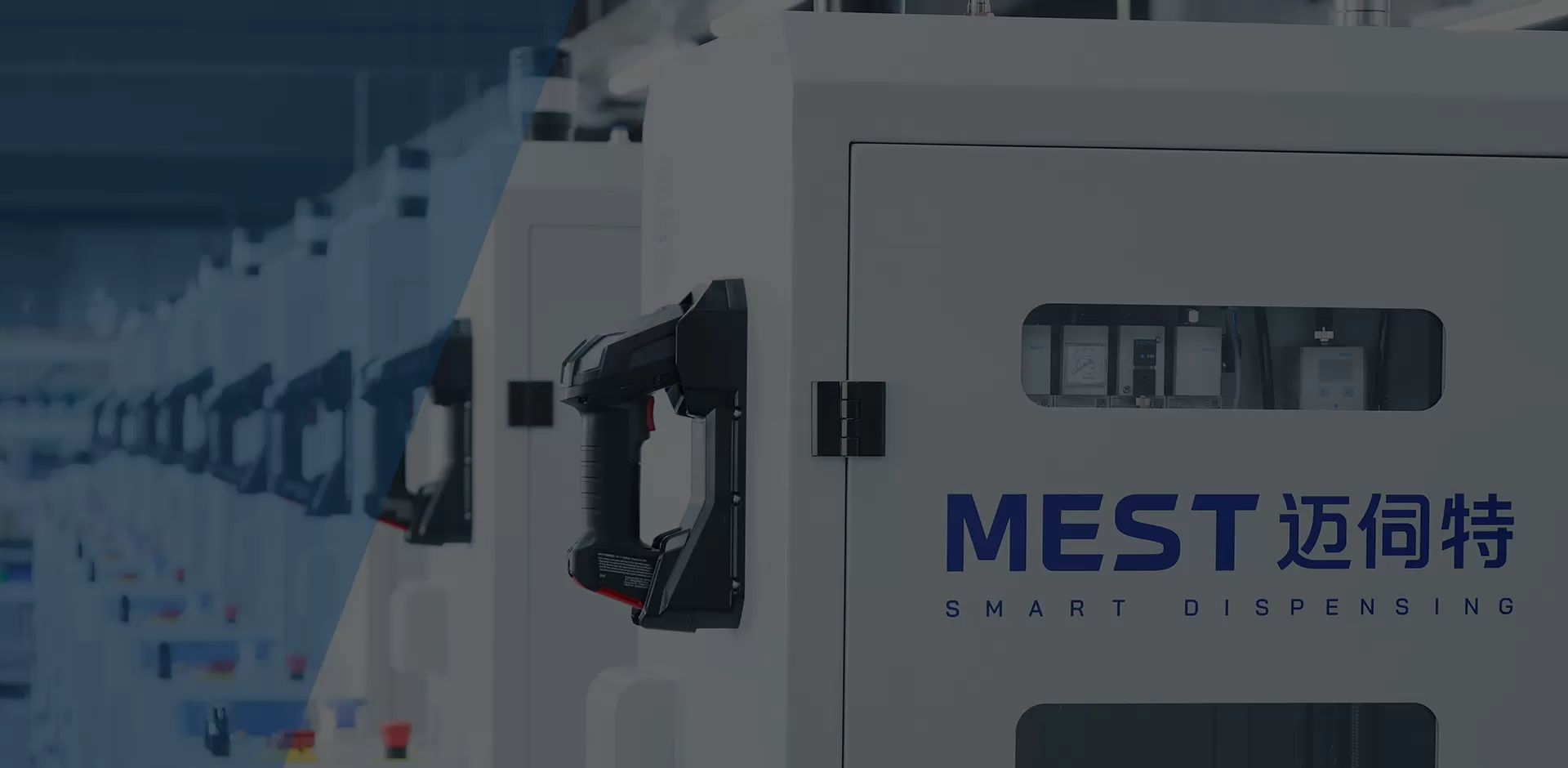
MEST Technology's vacuum feeder machine ensures precise and reliable material handling by effectively eliminating air and contaminants from fluids. The vacuum feeder system enhances dispensing accuracy, particularly in potting and encapsulation applications. By removing air bubbles, MEST’s solution improves the quality and consistency of the final product. Designed for high-performance environments, MEST vacuum feeder machine supports efficient, repeatable results, ensuring reliability and improved production outcomes in demanding manufacturing processes.


A vacuum feeder is designed to prepare and process materials in a vacuum environment to ensure high-quality results for sensitive applications. Vacuum feeder machine typically works by removing air and entrapped gases from materials like adhesives, resins, or sealants to eliminate bubbles and voids that could compromise the product's integrity.

The process often involves mixing or degassing under reduced pressure using a vacuum feeder, which enhances material homogeneity, improves bonding strength, and prevents defects during vacuum dispensing or molding. Vacuum systems are crucial in industries like electronics, aerospace, and medical devices where precision and reliability are paramount.
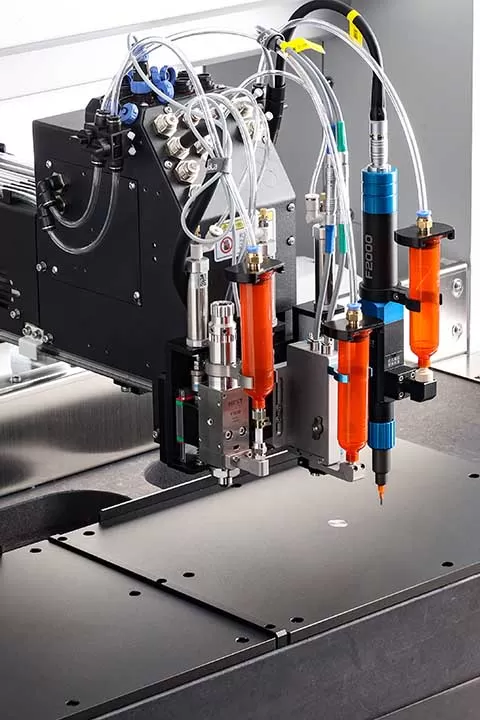
By using a vacuum feeder machine to remove air and trapped gases, it ensures material homogeneity, which is critical for adhesives, resins, and sealants.
The vacuum feeder's degassing process enhances the consistency and performance of materials, leading to better adhesion and structural integrity.
Vacuum feeder systems allow precise preparation of materials, reducing defects in high-precision applications.
Ideal for sensitive industries like electronics, aerospace, and medical devices, the vacuum feeder ensures consistent and reliable results.
By ensuring proper material preparation with a vacuum feeder machine, waste due to defects is minimized.
1. Core Viscosity Handling
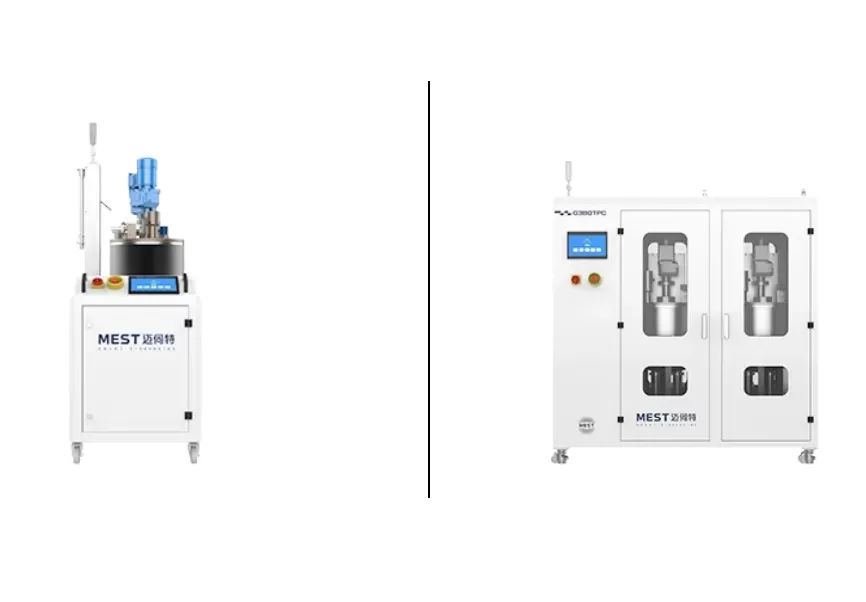
Vacuum Feeder Machine G380: Optimized for standard viscosities (0 - 50,000 cP).
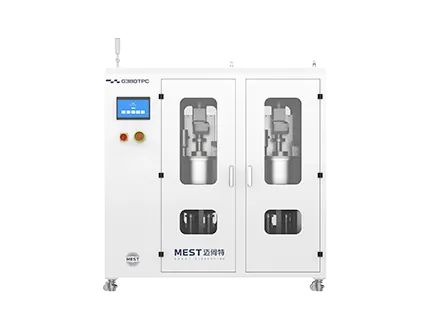
G380TPC: Engineered for high-viscosity materials (50,000 - 100,000 cP).
2. Pressure Tank Capacity
G380: Flexible options: 45L, 60L, or 80L tanks.
G380TPC: Standard 80L tank for high-volume processing.
3. System Weight & Build
G380: Compact footprint, approx. 300 kg.
G380TPC: Robust construction, approx. 500 kg for heavy-duty performance.