English
What are you looking for?

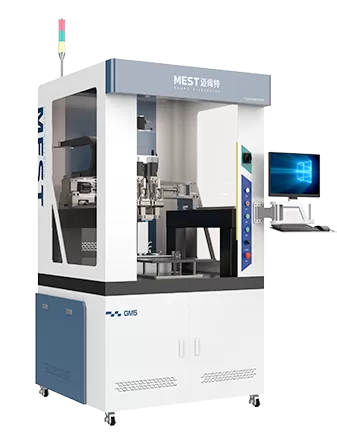
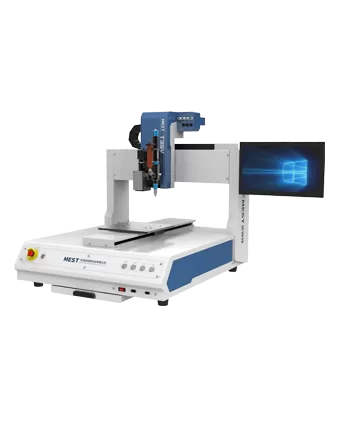
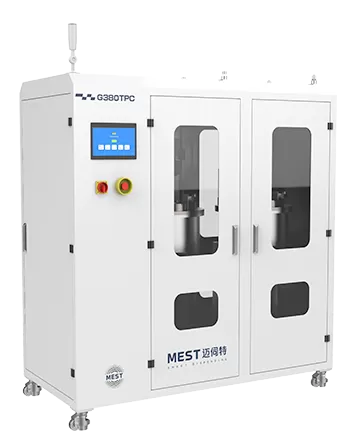
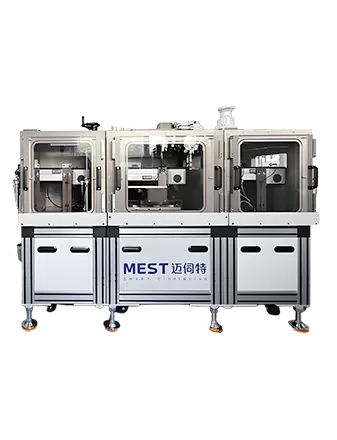
Understanding your specific needs is the first step in choosing the right chemical dispensing station. Consider the types of chemicals you’ll be working with, their viscosities, and the required flow rates. Evaluate the station’s compatibility with these chemicals to prevent corrosion or degradation. Think about the volume of chemicals you’ll handle daily to ensure the station can meet your operational demands. Additionally, consider any special requirements such as temperature control or mixing capabilities. By clearly defining your requirements, you can narrow down your options and select a station that best fits your needs.
Safety is paramount when dealing with chemicals. Look for chemical dispensing stations that come with built-in safety features such as spill containment, automatic shut-off valves, and leak detection systems. Ensure the station complies with industry safety standards and regulations. Consider stations with user-friendly interfaces that minimize the risk of human error. Investing in a station with robust safety features not only protects your employees but also reduces the risk of costly accidents and downtime. Additionally, check for features like emergency stop buttons and safety interlocks to enhance overall safety.
Maintenance is a critical factor in the long-term performance of your chemical dispensing station. Choose a station that is easy to clean and maintain, with accessible parts and straightforward maintenance procedures. Look for models with self-cleaning features or those that require minimal manual intervention. Consider the availability of replacement parts and the ease of obtaining them. A station that is easy to maintain will save you time and money in the long run, ensuring consistent performance and reliability. Durability is equally important; opt for stations made from high-quality materials that can withstand harsh chemical environments.
In today’s fast-paced industrial environment, automation can significantly enhance efficiency and accuracy. Look for chemical dispensing stations that offer automation features such as programmable dispensing cycles, remote monitoring, and integration with existing systems. Evaluate the station’s compatibility with other equipment, such as a vacuum feeder supplier, to streamline your operations. Automation not only improves precision but also frees up your workforce to focus on more critical tasks, boosting overall productivity. Additionally, consider stations that offer data logging and reporting features for better process control and traceability.
While the initial cost of a chemical dispensing station is an important consideration, it’s equally important to evaluate the long-term return on investment (ROI). Compare the costs of different models, taking into account their features, durability, and maintenance requirements. Consider the potential savings in terms of reduced waste, improved efficiency, and lower labor costs. A higher upfront investment in a quality dispensing station can pay off in the long run through increased productivity and reduced operational costs. Additionally, look for stations that offer energy-efficient features to further enhance cost savings.

Industry professional with deep expertise in dispensing manufacturing technology. Focused on precision fluid control, automation solutions, and process optimization for adhesive, sealant, and coating applications. Leverages practical knowledge of dispensing systems, fluid dynamics, and material science to analyze manufacturing challenges and contribute to efficient, reliable production processes. Experienced in collaborating with cross-functional teams to ensure clarity and precision in technical communication and implementation.