English
What are you looking for?

Selecting the right chemical metering pump for high-viscosity applications can be a complex task, given the unique challenges posed by thick fluids. High-viscosity chemicals require specialized equipment to ensure accurate dosing, reliable performance, and minimal maintenance. This guide aims to provide you with essential tips and considerations to help you make an informed decision.
To choose the best chemical metering pump for high-viscosity applications, you need to consider several key factors, including viscosity and flow rates, pump design, material compatibility, dosing precision, maintenance requirements, and the reliability of your supplier. By addressing these aspects, you can ensure that your pump meets the demands of your specific application.
Understanding the viscosity and flow rates of the chemicals you need to handle is crucial for selecting the right pump. High-viscosity fluids require pumps that can generate sufficient pressure to move the fluid without causing damage or inefficiency. Accurately defining these parameters helps in choosing a pump that can handle the specific characteristics of your chemicals, ensuring consistent and reliable performance. Additionally, knowing the required flow rates allows you to select a pump that can meet your operational needs without overloading the system.
Different pump designs are better suited for handling high-viscosity chemicals. Diaphragm pumps, peristaltic pumps, and gear pumps are commonly used for such applications. Each design has its advantages and limitations:
| Pump Type | Advantages | Limitations |
|---|---|---|
| Diaphragm Pumps | High pressure, precise dosing, chemical resistance | Limited flow rates, potential for pulsation |
| Peristaltic Pumps | Gentle handling, easy maintenance, self-priming | Limited pressure, hose wear |
| Gear Pumps | High flow rates, continuous flow, robust design | Limited chemical compatibility, potential for wear |
By understanding the strengths and weaknesses of each pump type, you can choose the design that best meets your specific requirements.
Material compatibility is a critical factor when dealing with high-viscosity and potentially corrosive chemicals. The pump materials must be resistant to the chemicals being handled to prevent degradation and ensure longevity. Common materials include stainless steel, PTFE, and specialized plastics, each offering different levels of chemical resistance. By prioritizing material compatibility, you can avoid costly repairs and downtime, ensuring that your pump operates efficiently and reliably over time.
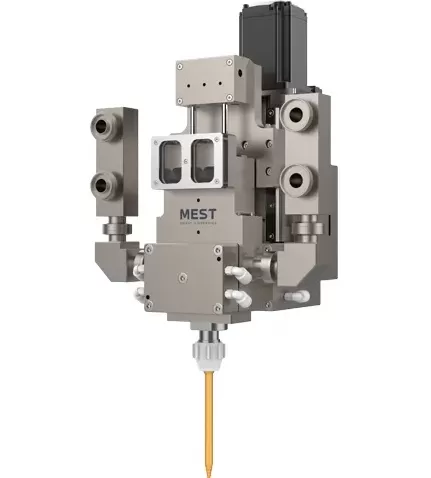
Precision in dosing is essential for high-viscosity applications. Look for pumps that offer accurate dosing capabilities and advanced control features, such as digital interfaces and programmable settings. These features allow for precise adjustments and monitoring, ensuring that the correct amount of chemical is dosed consistently. High precision and control not only improve treatment efficiency but also reduce chemical waste and operational costs.
Minimizing maintenance and downtime is crucial for maintaining efficient operations. Choose pumps that are designed for easy access and maintenance, with features such as quick-release components and clear maintenance guidelines. Additionally, selecting a reliable pump from a reputable manufacturer ensures consistent performance and reduces the risk of unexpected failures. By focusing on ease of maintenance, you can extend the lifespan of your equipment and reduce operational disruptions.
Partnering with a trusted metering pump factory is essential for ongoing support and service. A reputable supplier can provide expert advice, technical support, and maintenance services, ensuring that your chemical metering pump operates at peak performance. Look for suppliers with a proven track record and comprehensive service offerings. By partnering with a trusted supplier, you can ensure reliable operation and quick resolution of any issues that may arise.

Industry professional with deep expertise in dispensing manufacturing technology. Focused on precision fluid control, automation solutions, and process optimization for adhesive, sealant, and coating applications. Leverages practical knowledge of dispensing systems, fluid dynamics, and material science to analyze manufacturing challenges and contribute to efficient, reliable production processes. Experienced in collaborating with cross-functional teams to ensure clarity and precision in technical communication and implementation.